
Welcome to the Recovery Lab!
At Kinetic Relief, we prioritize clinical results over retail sales. We do not carry inventory or push specific brands for profit. Instead, we have curated the RECOVERY LAB- a hand selected collection of the highest-quality tools and clinical-grade nutrition/hydration that we personally trust for our own family and patients.
Why Shop the Recovery Lab?
1. ZERO PRESSURE: We simply provide the link. You shop on your own time from the comfort of your home. There is no sales pressure.
2. CLINICAL GRADE: There are no package "fillers". Each pharmaceutical-grade supplement is a professional strength recovery tool.
3. PRECISION: Each formulation is required to maintain the mechanical and clinical reset we achieved during your session.
Recovery Lab Products
Clinical Nutrition and Hydration
Standard electrolytes and supplements often contain sugars and fillers that trigger inflammation. I've partnered with fullscript to give you direct access to pharmaceutical grade brands like Thorne and LMNT. These are the tools needed for nerve health and Vascular recovery.
Mechanical Maintenance Tools
The wrong foam roller is a waste of money; The right one is a therapeutic tool. These are the specific rollers, lacrosse balls, and myofascial release tools I use in the clinic. I've linked the exact models here so you can ensure you're getting the right density for your corrective exercises.
GENERAL FAQS
What is an Athletic Trainer?
Athletic trainers (ATs) are highly qualified, multi-skilled health care professionals who render service or treatment, under the direction of or in collaboration with a physician, in accordance with their education, training and the state's statutes, rules and regulations. As a part of the health care team, services provided by athletic trainers include primary care, injury and illness prevention, wellness promotion and education, emergent care, examination and clinical diagnosis, therapeutic intervention and rehabilitation of injuries and medical conditions. The National Athletic Trainers' Association (NATA) Code of Ethics states the principles of ethical behavior that should be followed in the practice of athletic training (National Athletic Trainers' Association, 2021).
Athletic trainers are sometimes confused with personal trainers. However, there is a significant difference in the education, skillset, job duties, and patients of an athletic trainer when compared with a personal trainer. The athletic training academic curriculum and clinical training follows the medical model. Athletic trainers must graduate from an accredited baccalaureate or master’s program, and 70% of ATs have a master’s degree (National Athletic Trainers' Association, 2021).
What is required to become a Certified Athletic Trainer (ATC)/Licensed Athletic Trainer (LAT)?
To become a athletic Trainer, a student must graduate with bachelors or master’s degree from an accredited professional athletic training education program and pass a comprehensive test administered by the Board of Certification (BOC). Once certified, he or she must meet ongoing continuing education requirements in order to remain certified. (National Athletic Trainers' Association)
What are the major training and education practice domains for Athletic Trainers?
BOC-certified athletic trainers are educated, trained and evaluated in five major practice domains including injury and illness prevention and wellness promotion, examination, assessment and diagnosis, immediate and emergency care, therapeutic intervention, health care administration, and professional responsibility (National Athletic Trainers' Association, 2021).
Where do most athletic trainers work and who can they treat?
Athletic trainers treat a wide range of patients and can work in a variety of settings. Regardless of their practice setting, athletic trainers practice according to their education, scope of practice, and state practice act. Athletic trainers work in public and private secondary schools, colleges and universities, professional and Olympic sports, youth leagues, municipal and independently owned youth sports facilities, physician practices (similar to nurses, physician assistants, physical therapists and other professional clinical personnel), rural and urban hospitals, hospital emergency rooms, urgent and ambulatory care centers, clinics with specialties in sports medicine, cardiac rehab, medical fitness, wellness and physical therapy, occupational health departments in commercial settings (including manufacturing, distribution and offices to assist with ergonomics), police and fire departments and academies, municipal departments, branches of the military, and performing arts (including professional and collegiate level dance and music). (National Athletic Trainers' Association)
Does Kinetic Relief have a Medical Director?
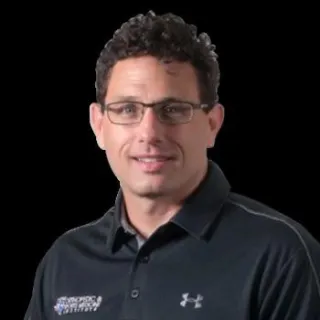
Yes, our Medical Director is G. Todd Moore, DO, a board certified and fellowship trained sports medicine and orthopedic surgeon specializing in all aspects of orthopedics with special interests in hip and knee arthroplasty, fracture care, and pediatric orthopedics. Dr. Moore has been in practice in the DFW area since 2012. His principle practice is a part of The Orthopedic and Sports Medicine Institute in Mansfield.
PRECISION PAIN RELIEF.
FINISH YOUR RACE.


Kinetic Relief | (817) 730-5995
Copyright 2026 | All rights reserved.